Why Training in Aesthetics With a Medical Professional Matters
Published by JPA Clinics | Treatment Clinics & Training Academies in Colne, Mottram & Sale
The aesthetics industry has never been more popular — or more unregulated. With new training providers launching weekly and one-day "certificate" courses promising instant qualification, it has become harder than ever for aspiring practitioners to know where to invest their time and money. Yet the one factor that consistently separates a safe, credible, career-building education from a risky shortcut is simple: who is teaching you, and what is their clinical background?
At JPA Clinics, every course is led by Julie with over 20 years of hands-on medical and aesthetic experience, delivered from purpose-built training academies in Colne, Mottram and Sale. In this article, we explain exactly why training with a medical professional isn't just a nice-to-have — it's the foundation that protects your clients, your reputation, and your future in this industry.
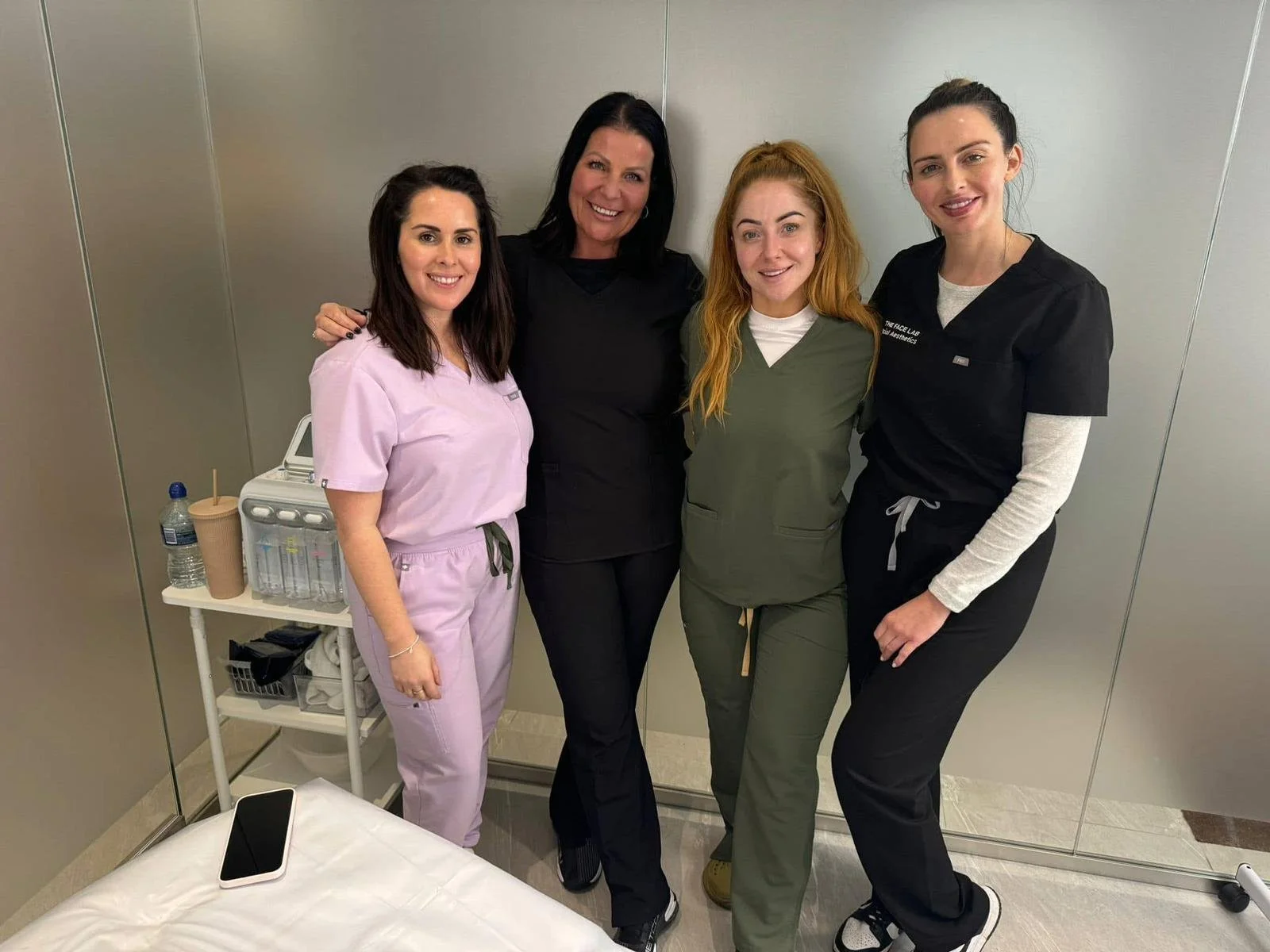
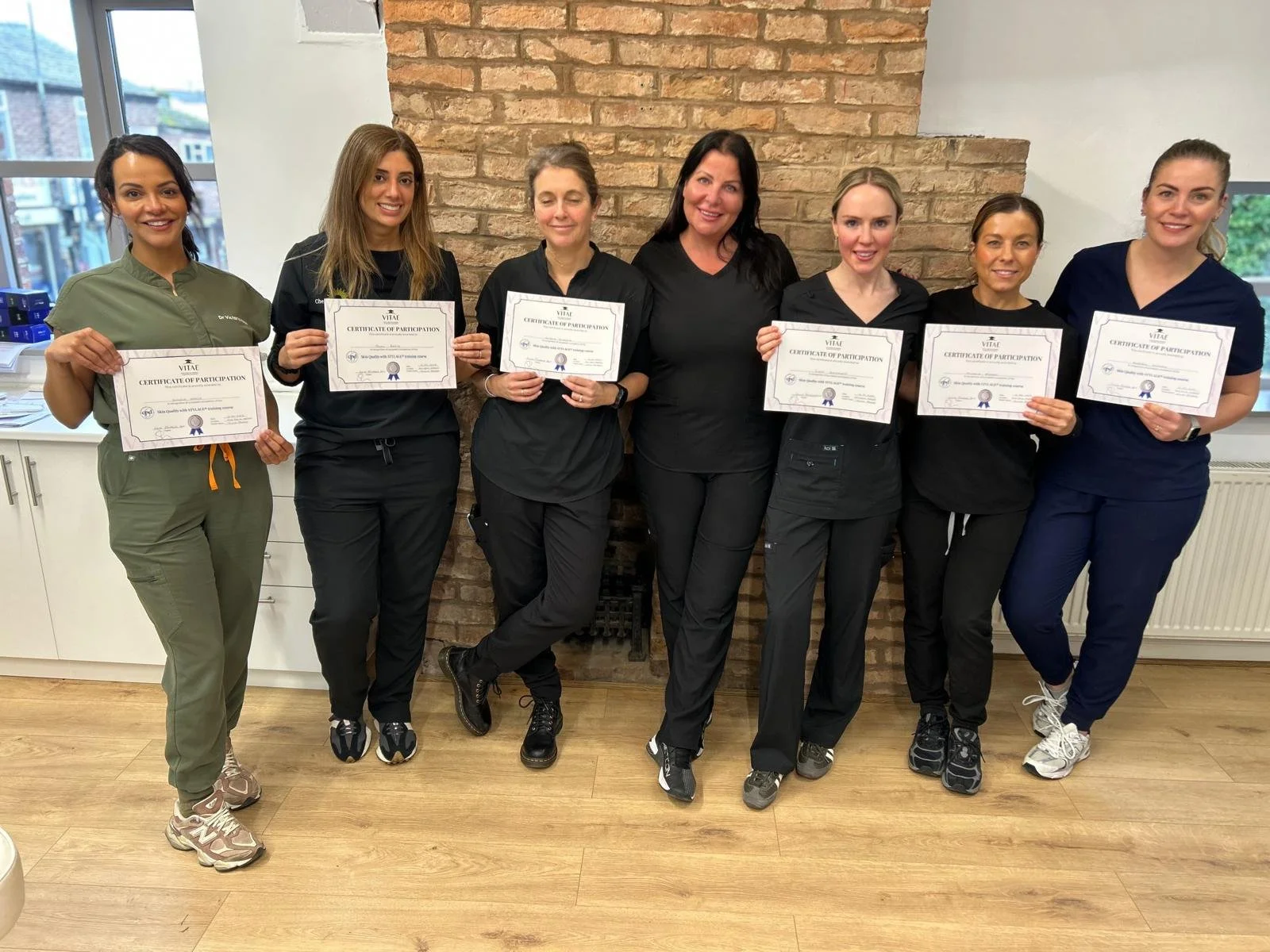
Medical Aesthetics Students, training with Julie at JPA Clinics under Vivacy
The Aesthetics Industry Is Booming — But Regulation Hasn't Caught Up
Demand for treatments like anti-wrinkle injections, dermal fillers, and skin rejuvenation has grown rapidly across the UK, including here in the North West. But because non-surgical cosmetic treatments are still largely unregulated, almost anyone can call themselves a "trainer" and sell a course — regardless of whether they hold a recognised medical qualification or have ever managed a complication in a real clinical setting.
This gap is exactly why choosing the right training provider matters so much. A weekend course from someone with no clinical background might get you a certificate, but it won't give you the underlying medical knowledge — anatomy, physiology, contraindications, and complication management — that keeps your future clients safe and your insurance valid.
What Makes Medical-Led Aesthetics Training Different
1. Real Clinical Knowledge, Not Just Technique
A medical professional — a nurse, doctor, or dentist — brings years of patient assessment, anatomy, and risk management experience into the training room. They're not just teaching you where to inject; they're teaching you why, and what to do if something doesn't go to plan.
2. Complication Management You Can Trust
Every injectable treatment carries risk, however small. Trainers with a genuine clinical background have typically managed real complications — vascular occlusion, infection, allergic reaction — and can teach you to recognise early warning signs and respond appropriately, rather than relying on theory alone.
3. Insurance and Accreditation Compatibility
Most reputable insurers require evidence of training that meets recognised standards, often referencing Level 7 qualifications or training delivered by medically qualified practitioners. Training with a non-medical, unaccredited provider can leave you unable to get insured at all — effectively ending your aesthetics career before it starts.
4. Mentorship That Goes Beyond the Course Day
Aesthetics is a hands-on skill that develops over months and years, not hours. A trainer with deep clinical roots offers ongoing mentorship, case-based learning, and the kind of honest feedback that only comes from someone who has built a clinical reputation of their own.
Why JPA Clinics' Training Academies Are Different
With training academies in Colne, Mottram, and Sale, JPA Clinics was built on one principle: aesthetics training should be led by people who have genuinely practised medicine and aesthetics at the highest level — not simply people who are good at marketing courses.
Every student trains with the benefit of:
Over 20 years of combined clinical and aesthetic experience guiding every course
Small group, hands-on teaching across three North West locations, so you're never just a face in the crowd
Foundation through to advanced courses, allowing you to build your skillset progressively and safely
Insurance-aligned, accredited training, so you can practise with confidence from day one
Ongoing support and mentorship long after you've completed your course
Whether you're a complete beginner exploring a new career, or a registered healthcare professional looking to add aesthetics to your existing skillset, training in a clinically led environment gives you the strongest possible foundation — one built on safety, credibility, and real-world experience.
Choosing the Right Aesthetics Course: What to Ask Before You Book
Before booking any aesthetics course, ask the provider:
Is the trainer a registered medical professional (nurse, doctor, or dentist)?
Is the course accredited, and does it meet insurer requirements?
Will I get hands-on practice, not just theory and observation?
Is there support and mentorship available after the course ends?
What happens if a complication arises during or after treatment?
If a training provider can't answer these questions clearly, it's a sign to look elsewhere. Your career, your clients' safety, and your professional reputation are worth far more than a discounted course fee.
Start Your Aesthetics Journey With Confidence
With training academies in Colne, Mottram, and Sale, and over 20 years of medical and aesthetic experience behind every course, JPA Clinics gives you a genuinely safe, credible route into the aesthetics industry — whether you're starting from scratch or expanding an existing healthcare career.
Explore our upcoming training dates or get in touch to discuss the right course for your goals.